How Teachers Can Choose a Credible Education Institution?
Teachers can choose a credible education institution by checking its accreditation, recognition, course quality, faculty experience, teaching methods, and student support. They should also confirm whether the qualification meets their career goals and is accepted by relevant employers or education authorities. Comparing these factors helps teachers make informed decisions and avoid unreliable training providers.
Introduction
Choosing the right education institution is an important step for teachers who want to improve their skills, gain recognised qualifications, or advance their careers. With many online and offline courses available, it can be difficult to identify which institutions offer genuine value.
Understanding how teachers can choose a credible education institution helps educators make better decisions about their professional development. A reliable institution provides quality learning, clear course information, experienced trainers, and qualifications that support relevant career goals.
Teachers should look beyond advertisements, low fees, and attractive promises. They need to check recognition, course content, assessment methods, and the support available to learners.
Whether a teacher is beginning a career or improving existing skills, choosing the right institution can support professional growth and better classroom practices.
Section 1: What Makes an Education Institution Credible?
A credible education institution is an organisation that provides structured learning, maintains appropriate academic standards, and communicates honestly about its courses and qualifications.
Credibility depends on several factors. These include legal status, accreditation where applicable, course quality, qualified educators, transparent fees, and reliable student support.
Why Is Credibility Important in Teacher Education?
Teacher education helps educators develop the knowledge and practical skills needed to support student learning. A credible institution can provide structured academic teacher training, classroom strategies, and opportunities to strengthen professional competence.
The value of a qualification depends on its recognition and relevance. A certificate may help a teacher learn new skills, but it does not automatically provide a teaching licence or meet every country’s employment requirements.
Teachers should therefore check whether a course matches their professional goals and whether the qualification is accepted by the relevant employers or authorities.
Section 2: How Teachers Can Choose a Credible Education Institution
Teachers can follow these practical steps before enrolling in a course.
1. Check Accreditation and Recognition
Accreditation is an important factor when comparing education institutions. It indicates that an institution or programme has been assessed against specific standards by an authorised accrediting body.
However, not every useful professional development course requires formal accreditation. The requirements depend on the type of qualification and the country where the teacher intends to work.
Before enrolling, teachers should:
- Check the institution’s legal status.
- Verify accreditation claims with the relevant accrediting body.
- Confirm whether the specific programme is recognised.
- Check local teaching qualification requirements.
- Ask employers or education authorities whether they accept the qualification.
Avoid relying only on logos, promotional statements, or claims displayed on a website.
2. Review Course Content and Learning Outcomes
A good programme should explain what learners will study and what they should be able to do after completing the course.
Teachers should review the syllabus, learning objectives, assessment methods, and course duration.
For example, a course in classroom management should cover practical approaches to student behaviour, classroom routines, conflict resolution, and positive learning environments.
The course should also match the teacher’s current experience and future goals. Beginners may need foundational knowledge, while experienced educators may prefer advanced teaching methods or leadership training.
3. Evaluate Faculty and Trainer Experience
Experienced trainers can make learning more useful by connecting educational theories with real classroom situations.
Teachers should look for information about instructors’ academic backgrounds, teaching experience, professional expertise, and subject knowledge.
A credible institution should provide clear information about its teaching team. If trainer details are missing, teachers can ask for more information before paying course fees.
4. Examine Teaching Methods and Assessments
Effective professional teacher education should involve more than memorising information.
Look for programmes that include:
- Practical classroom examples.
- Case studies and problem-solving activities.
- Assignments or projects.
- Feedback from instructors.
- Assessments that measure learning outcomes.
- Opportunities to apply new knowledge.
These activities help teachers understand how to use their learning in real educational settings.
5. Compare Fees and Course Conditions
Course fees should be clear before registration. Teachers should understand the full cost and any additional charges.
Check whether the advertised fee includes learning materials, assessments, examinations, certificate issuance, and access to course resources.
Read the refund policy, cancellation conditions, course completion rules, and certificate requirements.
Be cautious of institutions that promise guaranteed jobs, instant qualifications, or exceptional career outcomes without clear evidence.
6. Check Student Support and Learning Flexibility
Teachers often balance classroom responsibilities, family commitments, and professional development. Student support and flexible learning options can make a significant difference.
Check whether the institution offers academic guidance, technical support, clear communication channels, and access to learning materials.
For online courses, review the learning platform and confirm whether the schedule suits your availability.
A reliable institution should explain how students can ask questions, receive feedback, and resolve problems during their studies.
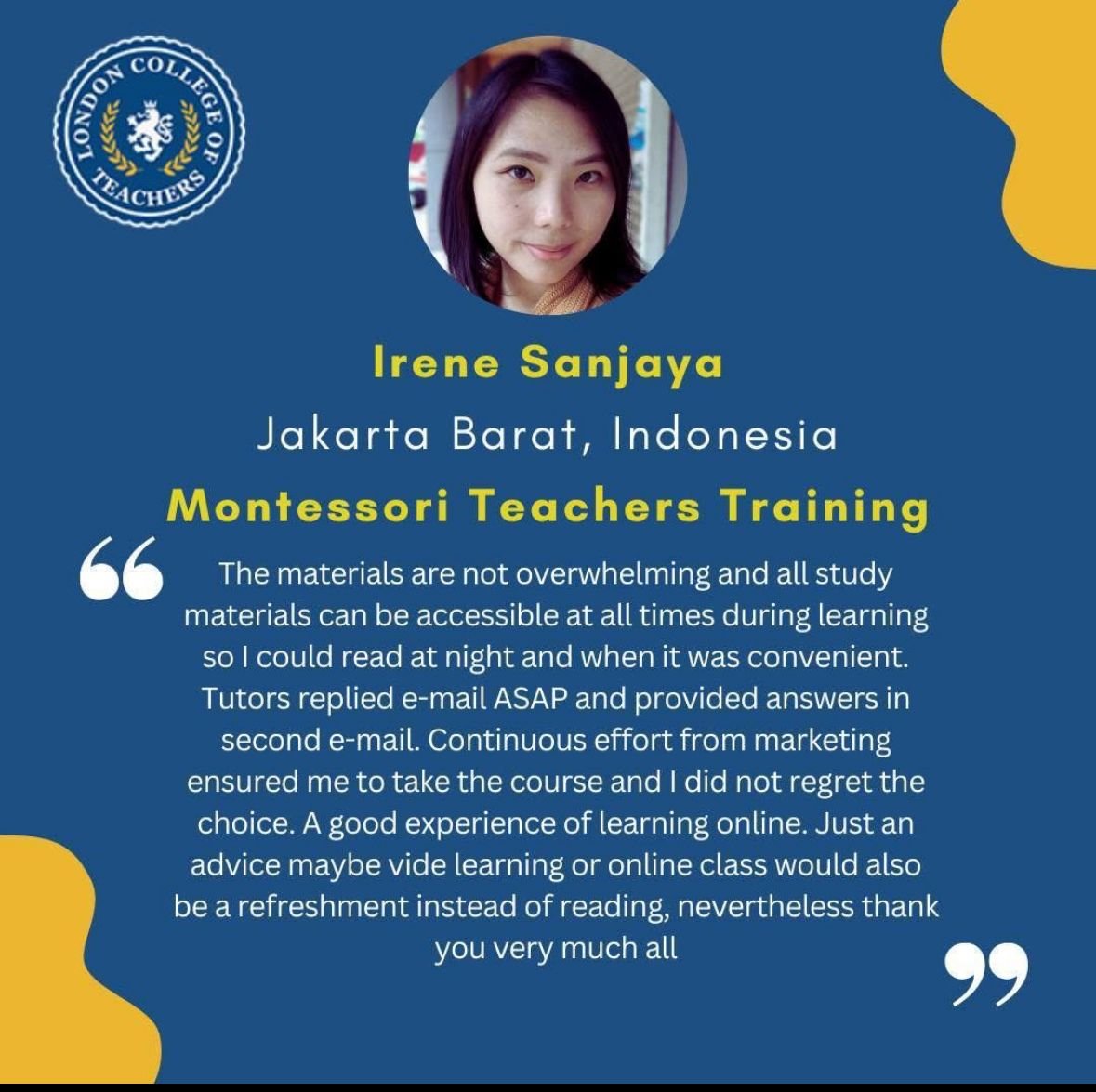
7. Read Reviews and Verify Student Experiences
Reviews can help teachers understand the learner experience, but they should not be the only basis for a decision.
Look for consistent feedback about course quality, instructor support, assessment standards, and certificate delivery.
Compare reviews across different sources where possible. Give greater weight to detailed, balanced feedback than to vague praise or negative comments without supporting information.
Teachers can also ask colleagues about their experiences with similar programmes.
Section 3: Examples of Choosing the Right Institution
The best choice depends on a teacher’s goals, experience, and local qualification requirements.
Example 1: A New Teacher Seeking a Recognised Qualification
A recent graduate wants to begin teaching in a school. They find an online course offering a teaching certificate.
Before enrolling, they check whether the course meets the requirements of the relevant education authority. They also review the syllabus, assessment methods, and entry requirements.
This approach helps them avoid paying for a certificate that does not qualify them for their intended role.
Example 2: An Experienced Teacher Improving Classroom Skills
An experienced teacher wants to improve student engagement and classroom management.
Instead of choosing a course based only on its certificate, the teacher compares programmes that include practical activities, classroom case studies, and evidence-based teaching strategies.
The teacher selects the programme that best supports immediate classroom improvement.
Example 3: A Working Teacher Choosing Online Professional Development
A teacher with a full-time job wants to study without leaving their current position.
They compare online programmes based on flexibility, course duration, trainer support, assessment requirements, and total fees.
They choose a course with a manageable schedule and clear learning outcomes. This allows them to develop new skills while continuing their teaching responsibilities.
Section 4: Benefits of Choosing a Credible Education Institution
Selecting a suitable institution can provide several benefits.
- Better learning quality: Structured courses help teachers develop relevant knowledge and practical skills.
- More informed career decisions: Recognition checks help teachers understand whether a qualification fits their goals.
- Improved classroom practices: Practical training can support better lesson planning, student engagement, and classroom management.
- Greater confidence: Relevant professional development helps teachers feel more prepared to handle educational challenges.
- Better use of time and money: Comparing programmes reduces the risk of choosing unsuitable courses.
- Ongoing professional growth: Quality learning can help teachers update their skills as educational needs change.
These benefits depend on the course quality, the teacher’s effort, and the relevance of the qualification to their intended career path.
Section 5: Common Mistakes Teachers Should Avoid
Teachers should avoid these common errors when choosing an institution.
- Trusting advertising alone: Attractive promotions do not prove academic quality or recognition.
- Ignoring accreditation requirements: A qualification may not meet the requirements of a particular employer or country.
- Choosing only by price: A low-cost course may not provide the necessary content, support, or recognised qualification.
- Overlooking the syllabus: A certificate has limited practical value if the course does not teach relevant skills.
- Ignoring refund policies: Unclear payment and cancellation conditions can lead to avoidable financial problems.
- Believing guaranteed career promises: Employment and promotion depend on many factors, not just course completion.
- Skipping independent verification: Teachers should confirm important claims directly with the relevant authorities or accrediting organisations.
Taking time to verify these details can help teachers make safer and more confident decisions.
Section 6: Tools, Tips, and Frameworks for Evaluating Institutions
Teachers can use a simple evaluation framework to compare institutions before enrolling.
The CREDIBLE Checklist
C — Check recognition: Verify the institution’s status and the programme’s recognition.
R — Review the curriculum: Ensure that the course content matches your learning goals.
E — Evaluate the educators: Check the qualifications and experience of trainers.
D — Determine practical value: Look for assignments, case studies, and useful teaching activities.
I — Inspect the fees: Confirm the full cost, payment conditions, and refund policy.
B — Browse independent reviews: Look for consistent and credible learner feedback.
L — Look at learner support: Check academic guidance, technical help, and communication channels.
E — Ensure career relevance: Confirm that the qualification supports your intended professional pathway.

Use AI Tools for Initial Research
AI tools can help teachers organise their research and compare course information. They can summarise publicly available syllabuses, prepare questions for admissions teams, and create comparison tables.
For example, a teacher can use an AI assistant to compare two course descriptions against a list of required skills.
However, AI-generated information should not be treated as proof of accreditation or recognition. Teachers must independently verify important claims with official authorities and the institution.
Create a Comparison Table
Before making a decision, compare at least two or three institutions using the same criteria.
| Evaluation factor | What to check |
|---|---|
| Recognition | Accreditation and programme acceptance |
| Curriculum | Relevant topics and learning outcomes |
| Trainers | Qualifications and experience |
| Assessment | Assignments, projects, and examinations |
| Fees | Total cost and refund conditions |
| Flexibility | Study schedule and course duration |
| Support | Academic and technical assistance |
| Career relevance | Fit with professional goals |
This simple method makes differences easier to identify and supports a more objective decision.
Key Takeaways
- A credible education institution provides transparent information and maintains appropriate academic standards.
- Teachers should verify accreditation and programme recognition before enrolling.
- Course content should match professional goals and practical classroom needs.
- Trainer experience, assessments, fees, and student support are important selection factors.
- Online reviews can help, but they should be checked critically.
- AI tools can support comparisons but cannot replace official verification.
- The right teacher education programme depends on the teacher’s career goals and local qualification requirements.
Frequently Asked Questions
1. How can teachers identify a credible education institution?
Teachers should verify accreditation where applicable, review the curriculum, check trainer qualifications, examine fees, and confirm whether the programme meets their career requirements.
2. Why is accreditation important in teacher education?
Accreditation can provide evidence that an institution or programme meets defined standards. Its importance depends on the qualification and the requirements of the relevant employer or education authority.
3. Are online teacher education courses credible?
Online courses can be credible when they provide clear learning outcomes, qualified instructors, appropriate assessments, reliable student support, and transparent information about recognition.
4. Does every teaching certificate qualify someone to teach in a school?
No. Some certificates provide professional development, while others may form part of a recognised qualification. Teaching eligibility depends on the requirements of the relevant country, authority, or employer.
5. What should teachers check before paying course fees?
Teachers should confirm the total cost, course duration, syllabus, assessment requirements, certificate conditions, refund policy, and recognition status.
6. Can AI help teachers choose an education institution?
Yes. AI can help compare course descriptions, organise research, and prepare questions. Teachers should verify accreditation, recognition, and other important claims through official sources.
Conclusion: Make an Informed Choice for Your Teaching Career
Choosing the right education institution is an important investment in a teacher’s professional future. The best decision comes from checking recognition, reviewing course quality, evaluating trainer experience, and understanding the full cost and learning requirements.
Teachers should focus on programmes that match their career goals and provide useful knowledge they can apply in educational settings. They should also verify whether the qualification is accepted for their intended purpose before enrolling.
With careful research and a clear evaluation process, teachers can choose professional development opportunities that support their skills, confidence, and long-term growth.
Ready to take the next step in your teaching career? Start by identifying your learning goals, comparing suitable programmes, and checking their recognition and course details before making a decision.